

Personal Care Activities of Daily Living
June 29, 2026
Personal Care Services List for Home Support
July 1, 2026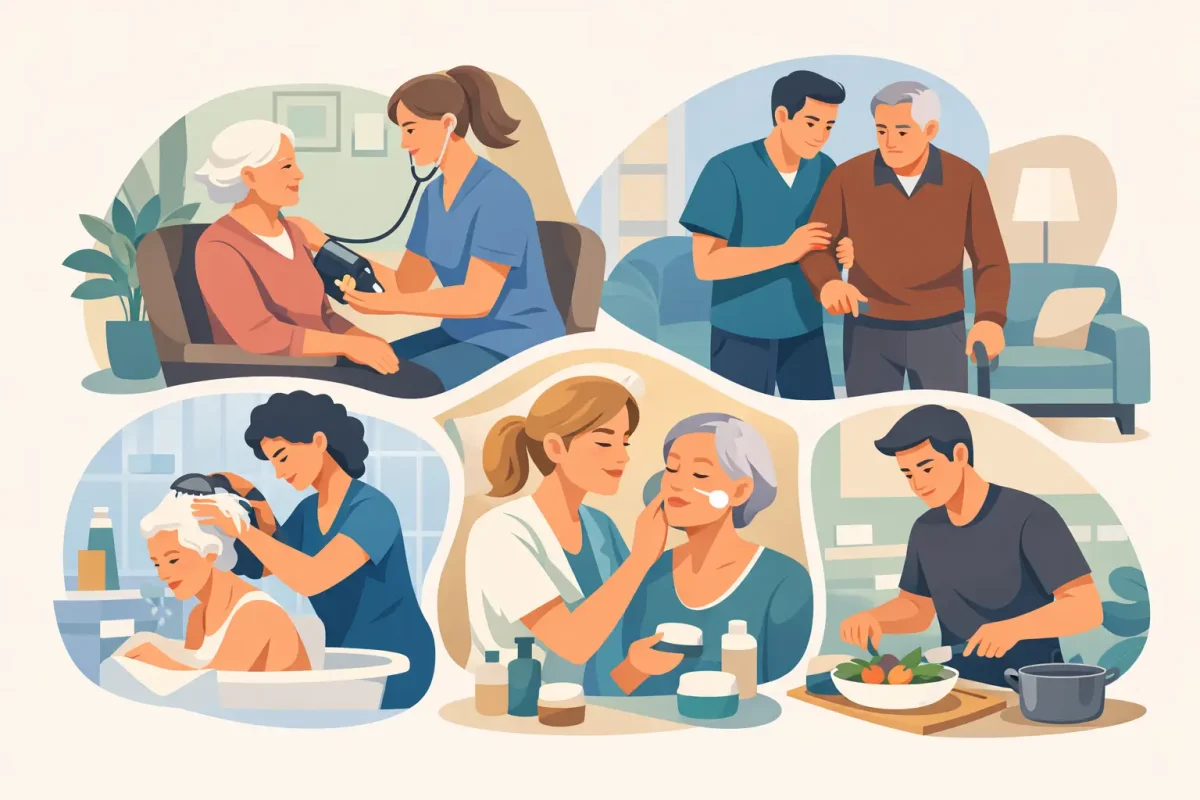
When families ask what personal care actually includes, they are usually not looking for a textbook definition. They want to know what support looks like in real life – in the bathroom, beside the bed, during the morning routine, or before heading out to an appointment. These 5 examples of personal care explain the day-to-day help that can make life safer, more comfortable, and more independent at home.
Personal care is about more than getting tasks done. Done well, it protects dignity, supports health, and helps a person stay in control of their own routine. For seniors, people living with disability, and the families supporting them, that difference matters.
What personal care means in everyday life
Personal care usually refers to assistance with daily activities related to hygiene, dressing, toileting, and physical wellbeing. The level of support can vary. Some people want a support worker nearby for confidence and safety, while others need hands-on assistance with several parts of the routine.
There is no one-size-fits-all approach. One person may only need help getting in and out of the shower, while another may need support with grooming, dressing, continence care, and medication prompts across the day. Good care is shaped around the person, not the other way around.
5 examples of personal care
1. Showering and bathing support
Showering is one of the clearest examples of personal care because it combines hygiene, mobility, safety, and comfort. For many people, the bathroom can become one of the most difficult places to manage alone. Wet floors, balance issues, fatigue, pain, or limited movement can turn a simple shower into a real risk.
Support might include preparing the bathroom, checking water temperature, helping someone step in safely, washing hard-to-reach areas, drying off, and assisting with getting dressed afterwards. For some people, the right support is mostly supervision and reassurance. For others, it is direct physical assistance throughout the task.
This is also an area where dignity matters enormously. Personal care should always be delivered respectfully, with privacy, clear communication, and as much choice as possible. Even small choices, like preferred toiletries, shower time, or whether someone wants assistance straight away or step by step, help care feel more natural and less clinical.
2. Toileting and continence support
Toileting is often the kind of support families hesitate to ask about, but it is one of the most important. When someone struggles to get to the toilet in time, transfer safely, manage clothing, or maintain continence, the impact reaches far beyond hygiene. It can affect confidence, sleep, skin health, and willingness to leave the house.
Personal care in this area may include help with transfers to and from the toilet, changing continence products, cleaning and handwashing, and monitoring for signs of discomfort or skin irritation. It can also involve discreet support overnight or before community outings.
This type of care needs sensitivity and consistency. A rushed or impersonal approach can feel distressing. A calm, respectful worker who understands the person’s routine can make an enormous difference to comfort and self-esteem. It also helps families feel reassured that support is being delivered properly, not awkwardly or as an afterthought.
3. Dressing and undressing assistance
Getting dressed sounds simple until pain, weakness, tremors, reduced mobility, or cognitive changes make it hard. Buttons, zips, socks, shoes, braces, and weather-appropriate clothing can all become barriers. Support with dressing is one of the most practical examples of personal care because it directly affects safety, comfort, and readiness for the day.
Assistance may involve helping someone choose suitable clothes, putting on compression garments, managing adaptive clothing, or supporting them to dress after a shower or before bed. For a person with limited shoulder movement, dressing might take much longer than it used to. For someone living with dementia, they may need gentle prompting and a familiar routine to avoid confusion.
There is a balance here between helping and taking over. The right support encourages the person to do what they can for themselves, while stepping in where needed. That helps maintain skills and confidence rather than reducing independence.
4. Grooming and personal hygiene
Grooming is often underestimated, but it can shape how someone feels about themselves every day. Brushing teeth, washing the face, shaving, combing hair, applying deodorant, and looking neat before going out are all part of personal care. These routines are closely tied to identity, pride, and social confidence.
For some people, grooming support is needed because of poor hand function, fatigue, vision impairment, or difficulty standing at the basin. Others may need reminders and prompting, particularly if memory or cognition affects sequencing and motivation.
This kind of assistance should never be treated as superficial. Good grooming support can improve oral health, reduce infection risk, support skin care, and help someone feel more like themselves. It is often the difference between staying home because everything feels too hard and feeling ready to visit family, attend an appointment, or head out into the community.
5. Mobility support during personal routines
Mobility support is sometimes discussed separately, but in the home it is often part of personal care. Moving safely from bed to chair, walking to the bathroom, repositioning for comfort, or transferring into the shower can all be essential parts of the daily routine.
A person may need help because they are unsteady on their feet, recovering from illness, living with disability, or using a mobility aid. Support workers may assist with safe transfers, provide steadying support, help position equipment correctly, and reduce the risk of falls during personal care tasks.
What matters here is that the support fits the individual. Too little support can create risk. Too much can feel intrusive or reduce confidence. The best approach is careful, person-centred assistance that keeps the person involved and informed at each step.
Why these 5 examples of personal care matter
Each of these tasks may seem small on its own, but together they shape how a person experiences daily life. When personal care is consistent and respectful, people are more likely to feel settled at home, maintain routines, and stay connected to the things that matter to them.
There are practical health benefits too. Good hygiene can reduce infections. Safe showering and transfers can lower the risk of falls. Reliable continence support can prevent skin issues and discomfort. Help with dressing and grooming can make community participation easier and less stressful.
Just as importantly, quality personal care protects dignity. Needing help with private tasks can be confronting. That is why trust, rapport, and familiarity with support staff are so important. The way support is delivered matters as much as the task itself.
When to consider personal care support at home
Families often wait until things feel urgent, but personal care support does not have to begin at crisis point. It can start with one part of the routine that has become difficult, such as showering twice a week or help getting ready in the morning.
Some signs that support may be needed include avoiding showers, wearing the same clothes repeatedly, increased falls risk, trouble managing continence, body odour, poor oral hygiene, or visible exhaustion after basic tasks. Sometimes the person themselves asks for help. Other times, a family member notices the routine is becoming harder to manage safely.
Early support can often prevent bigger issues later. It can also reduce pressure on family carers who are doing their best but may not be able to provide hands-on care every day.
Choosing support that feels respectful
Not every care arrangement feels right, and that is worth acknowledging. Personal care is deeply personal. People often feel more comfortable when support is tailored to their routine, preferences, and communication style.
That might mean having care at a certain time of day, requesting a worker who understands mobility needs, or building a consistent team so the person does not need to repeat themselves to someone new each week. For participants and families across Newcastle and surrounding areas, providers such as Acme Living Care Australia focus on making support feel steady, familiar, and centred on the individual rather than rushed.
If you are exploring personal care for yourself, a family member, or an NDIS participant, start with the everyday reality. Ask what parts of the routine feel difficult, what support would make life easier, and what would help the person feel safe and respected at home. The right care does not take independence away – it helps protect it, one routine at a time.

4 Comments
[…] can include support with showering, bathing, grooming, dressing, toileting, continence care, oral hygiene, eating and drinking. It may also involve help […]
[…] can include personal care such as showering, grooming, dressing and toileting; domestic assistance with cleaning, laundry and […]
[…] tasks people use to care for themselves, manage their home and move through their day. Some are personal tasks, such as showering, dressing, grooming and managing medications. Others involve running a […]
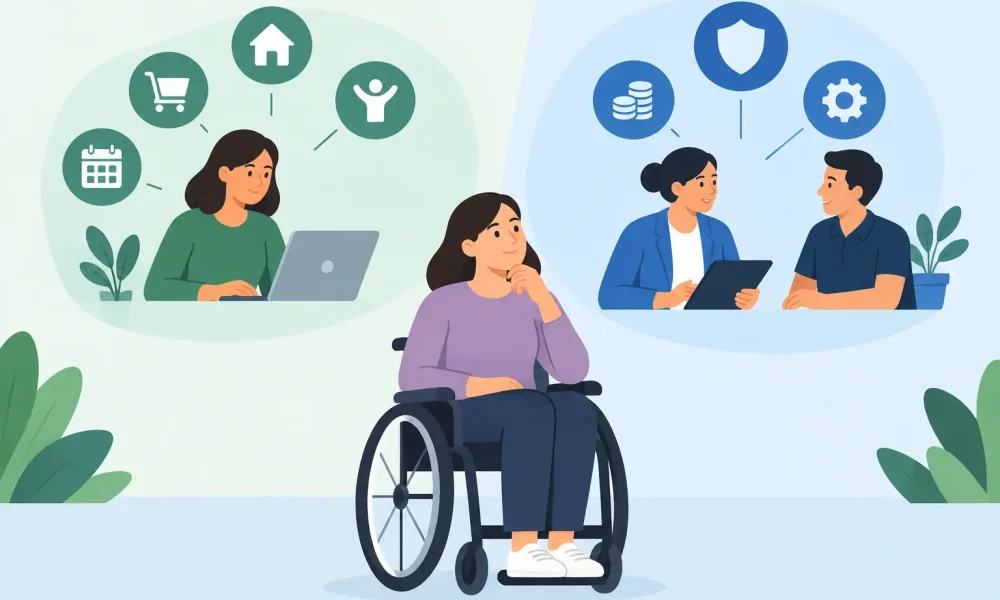
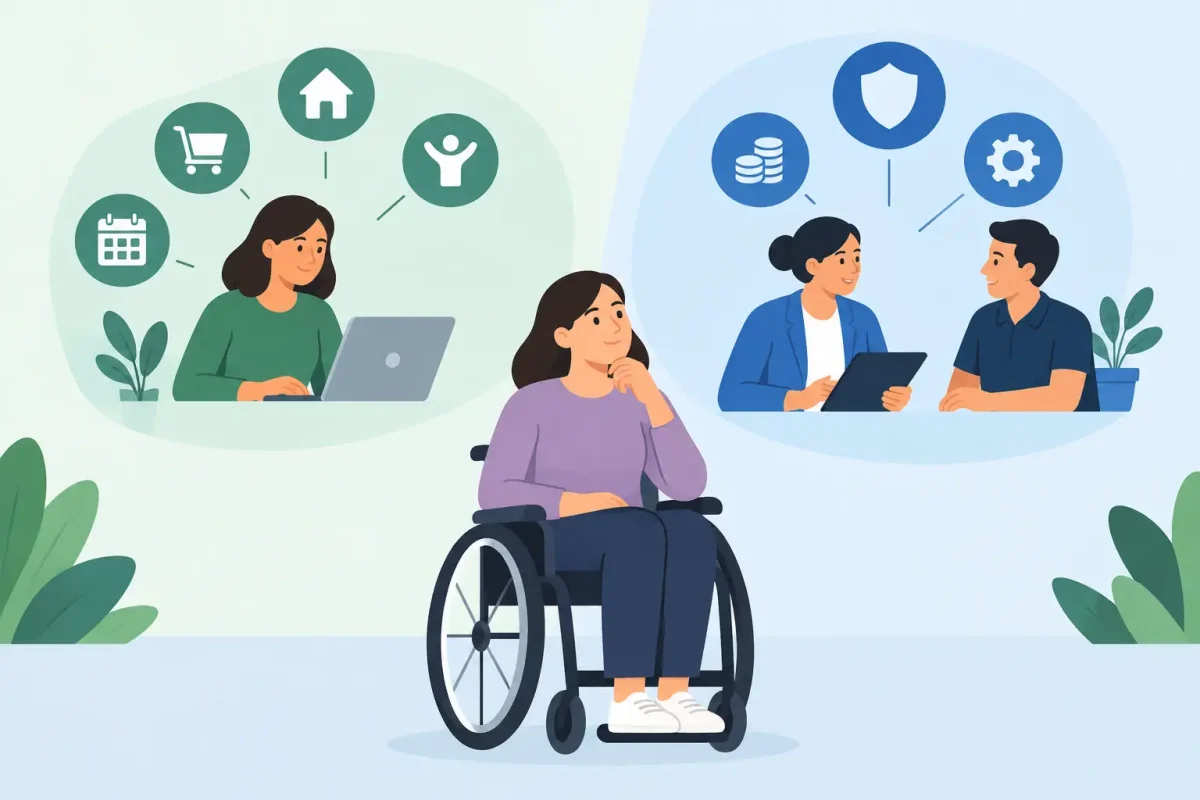
[…] example, a participant may choose a regular support worker for personal care and household tasks, then arrange transport or a community activity with another suitable local provider. If your […]