

Care Plan Goals Examples That Support Real Life
October 21, 2026
What NDIS Reforms Mean for Your Support
October 25, 2026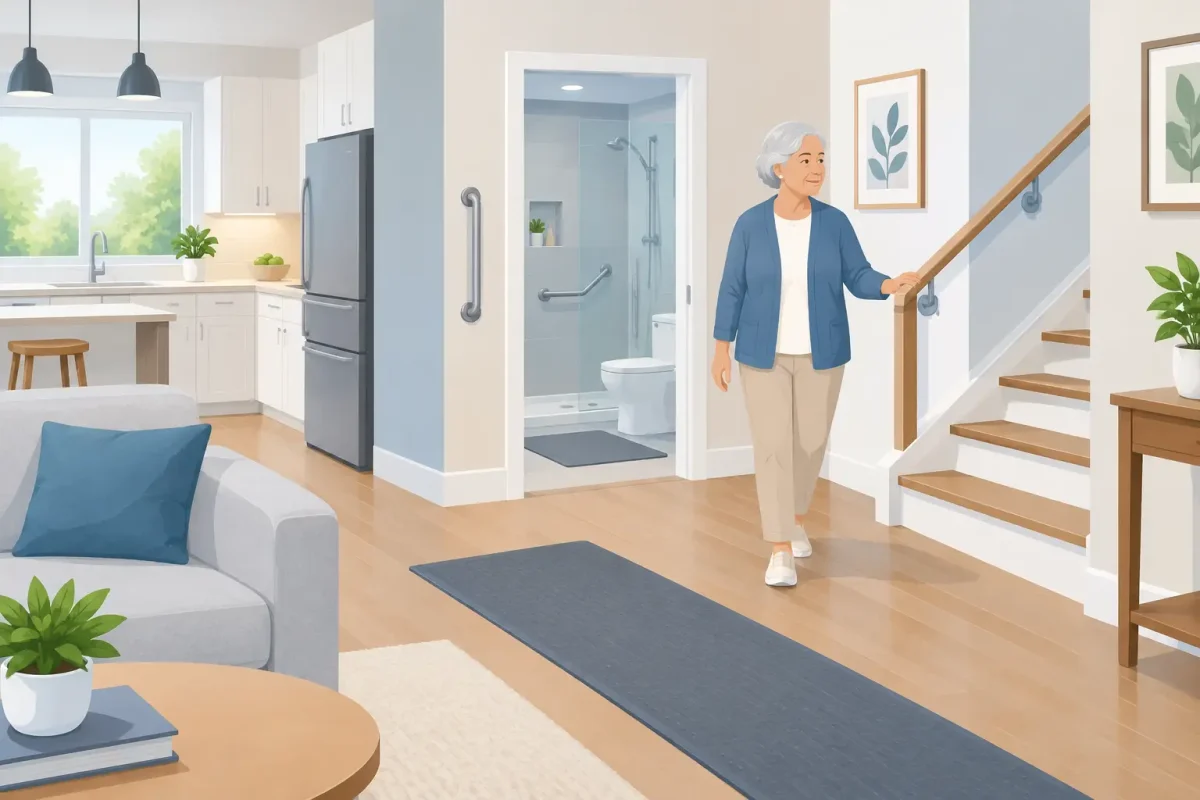
A home can hold years of routines, memories and independence. When getting in and out of the shower becomes difficult, a front step feels unsteady, or the kitchen no longer works for someone using a mobility aid, the right changes can make everyday life feel manageable again. Thoughtful home modifications are not about making a home look clinical. They are about helping a person move through their day with greater safety, comfort and confidence.
For older people and people living with disability, small changes can have a meaningful impact. A well-placed rail, better lighting or a clear path through the living room may reduce the need for hands-on assistance while supporting dignity at home.
What are home modifications?
Home modifications are physical changes to a house, unit or rental property that improve access, safety and independence. They can range from simple adjustments, such as replacing round door handles with lever handles, through to larger building works like installing an accessible bathroom or a ramp.
The best solution depends on the person, not just the property. Someone who has reduced balance may benefit from grab rails and a shower seat. Someone who uses a wheelchair may need wider doorways, a step-free entrance or a kitchen bench at a suitable height. For a person with vision changes, improved lighting and contrast between surfaces can make familiar spaces easier to use.
A modification should support the way a person wants to live. That may mean making it easier to prepare a cup of tea, access the garden, welcome family into the home, or get ready for a community outing without feeling rushed or unsafe.
Start with daily routines, not a renovation list
It is easy to focus on a product first, but the more useful question is: where does daily life become difficult? Looking at a typical morning, afternoon and evening can reveal the changes that will make the greatest difference.
Consider getting out of bed, using the bathroom, preparing meals, taking medication, doing laundry, reaching the letterbox and leaving the house. Also think about what happens when someone is tired, in pain, carrying shopping or moving more slowly than usual. A home may feel accessible on a good day but become risky when energy or mobility is lower.
Families and carers can offer valuable observations, particularly when they notice near falls, hesitation on stairs or tasks that are being avoided. Still, the person living in the home should remain at the centre of the conversation. Their preferences, privacy and goals matter. A change that makes a task safer but removes a person’s sense of control may not be the right fit.
Common home modifications that support independence
Some of the most effective changes are straightforward and can be completed with minimal disruption. Others require planning, approvals and skilled trades. What is suitable will depend on the person’s needs, the layout of the home and whether those needs are likely to change over time.
Safer bathroom access
Bathrooms are one of the most common places for slips and falls because floors can be wet and transfers often happen in a small space. Grab rails near the toilet and shower can provide steady support when positioned correctly. A handheld shower, shower chair or hobless shower entry may make personal care easier and more comfortable.
It is worth seeking individual advice before installing rails. Their height, location and fixing method need to suit the person and the wall structure. A rail placed for one person may not be useful for another, particularly if mobility, reach or transfer technique differs.
Easier entries and pathways
Steps, narrow paths and uneven surfaces can make leaving home feel like a major task. Ramps, handrails, threshold adjustments and improved path lighting can make access safer for people using walking aids, wheelchairs or scooters.
A ramp is not automatically the answer to every step. The available space, gradient, drainage, handrail needs and local requirements all need consideration. In some homes, a small threshold modification or a different entry point may be safer and less intrusive than a long ramp.
Kitchens that work with the person
The kitchen often represents far more than meal preparation. It can be a place of routine, family connection and personal choice. Simple adjustments may include easy-grip handles, pull-out shelves, lower storage or appliances positioned where they are easier to reach.
For a person who uses a wheelchair, knee clearance under a bench and room to turn can be just as important as bench height. For someone with arthritis or reduced grip strength, taps, cupboards and drawers that require less force can reduce strain. The aim is not always to redesign the whole kitchen. Sometimes a few targeted changes preserve a person’s ability to make the meals they enjoy.
Better lighting and clearer spaces
Good lighting supports safety without changing the character of a home. Brighter lighting at entrances, along hallways, near stairs and in bathrooms can help people see changes in level, obstacles and wet areas. Motion-sensor lights can be useful for overnight trips to the bathroom.
Clear walkways matter too. Rearranging furniture, securing loose rugs and keeping cords away from common paths can reduce trip hazards immediately. These practical adjustments are often overlooked because they do not feel like building work, yet they can make a real difference.
Bedroom and living area changes
A bed rail, adjustable bed, chair with supportive arms or a raised seat can assist with transfers and comfort. In living areas, placing frequently used items within easy reach may prevent unnecessary bending, stretching or climbing. If equipment is needed, it should fit the room and still allow the person to enjoy the space as their own.
Why professional assessment matters
A home modification works best when it is based on a clear understanding of the person’s functional needs. An occupational therapist can assess how someone completes daily tasks and recommend changes that support their goals. This is particularly valuable where mobility is changing, multiple health conditions are involved, or more significant works are being considered.
Professional advice can prevent costly mistakes. For example, a shower seat may appear helpful but be difficult to transfer onto, or a ramp may take up valuable space without providing safe access. An assessment considers body movement, equipment, support needs and the practical realities of the home.
Where building work is required, use appropriately qualified and insured tradespeople. Modifications such as structural rails, ramps, bathroom alterations and electrical work need to be completed safely and in line with relevant requirements. If the property is rented, permission from the landlord or property manager may also be needed before work begins.
Planning modifications through NDIS or aged care support
For eligible NDIS participants, some home modifications may be considered where they are reasonable and necessary and relate to disability support needs. The process can involve assessments, quotes, approvals and coordination with providers, depending on the scale of the change. Funding arrangements vary, so it is wise to discuss individual circumstances with a support coordinator, plan manager or relevant professional.
Older Australians receiving aged care support may also have options depending on their assessment and program. Even when funding is not available, prioritising lower-cost safety changes can be a practical first step.
At Acme Living Care Australia, our team can support the everyday routines around a person’s home environment, from personal care and household tasks to building confidence with daily living skills. We understand that a modification is most helpful when it fits naturally into someone’s life and support plan.
Questions to ask before work begins
Before committing to a change, it helps to check that the plan meets both immediate and longer-term needs. Ask whether the modification supports a goal that matters to the person, whether it can be used safely on difficult days, and whether there is enough space for mobility aids or support workers if required.
Also consider who will maintain it, whether the work affects other household members, and how the home may need to adapt if support needs change. A beautiful renovation is of little value if it makes daily routines more complicated.
The right home modifications can help a person keep doing the ordinary things that make a home feel like home: making breakfast, having a safe shower, stepping outside for fresh air, or welcoming a friend at the front door. Starting with one meaningful change can be enough to make the day feel safer, more comfortable and more independent.