
Home Care and Supported Living Explained
June 26, 2026
Personal Care Benefits That Matter Daily
June 28, 2026
Some of the hardest parts of the day are the ones other people barely notice – getting out of bed safely, having a shower without rushing, preparing meals when energy is low, or making it to an appointment on time. That is where personal care and daily living support can make a real difference. When support is tailored properly, it does not take over a person’s life. It helps them keep control of it.
For many seniors and people living with disability, the goal is not simply to receive help. It is to live well at home, stay connected to community, and feel respected in the everyday moments that matter most. Good support should feel natural, dependable, and personal. It should make home life easier without making anyone feel like a task list.
What personal care and daily living support really means
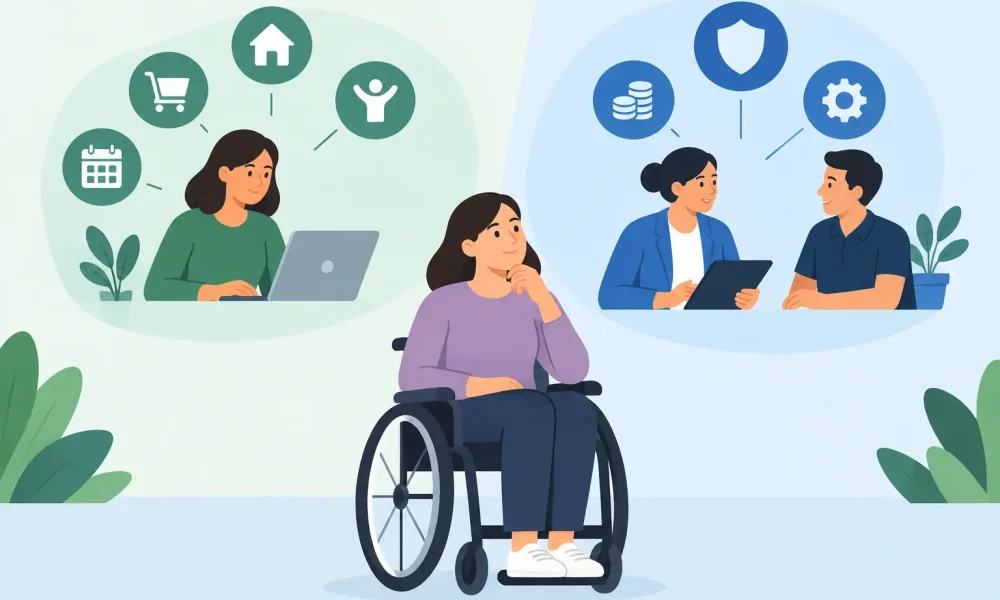
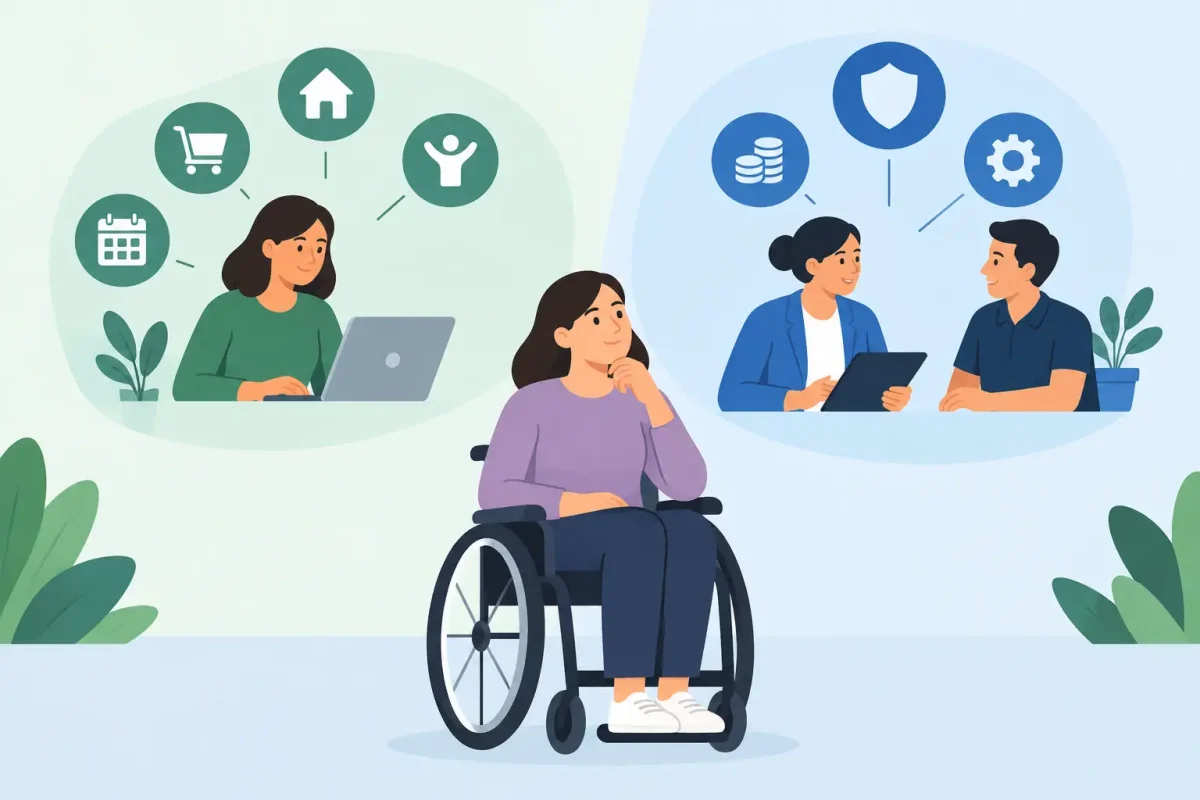
Personal care and daily living support covers the practical help people need to manage everyday routines safely and with dignity. That can include assistance with showering, dressing, grooming, toileting, mobility, meal preparation, medication prompts, household tasks, transport, and support to attend community activities.
The details look different for every person. One person may only need a hand in the morning to get ready for the day. Another may need ongoing help across meals, transfers, appointments, and overnight care. Some people want support that builds confidence to do more for themselves over time. Others need regular long-term assistance because their condition, age, or disability makes daily tasks harder to manage alone.
That is why a person-centred approach matters. Support should reflect the person’s goals, routine, health needs, communication style, and comfort level. There is no single version of good care. What works best depends on the individual.
Why the right daily support matters at home
When everyday care is reliable, the benefits reach far beyond the task itself. A safe shower can reduce the risk of falls. Help with meals can improve nutrition and energy. Consistent medication support can make health management more stable. Assistance with transport can mean the difference between missing appointments and staying on top of treatment.
There is also an emotional side to daily support that families and coordinators know well. When a person trusts the worker coming into their home, routines become calmer. Anxiety often eases. Confidence grows. Family members can step back from constant worry and spend more time simply being present as partners, children, siblings, or friends.
For many people, staying at home is closely tied to independence. It means sleeping in their own room, keeping familiar routines, and staying near neighbours, family, favourite shops, and local community spaces. The right support helps protect that independence rather than replace it.
Personal care and daily living support should protect dignity
Personal care can be one of the most sensitive parts of in-home support. Assistance with bathing, continence care, dressing, and grooming requires trust. It also requires workers who understand that dignity is not an extra. It is part of the service.
That means asking before helping, explaining what is happening, respecting privacy, and working at the person’s pace. It means listening when someone says they prefer a female or male support worker, a certain routine, or a quieter approach. It also means recognising cultural preferences, communication needs, and the importance of consistency.
In practice, respectful care often comes down to small things. Knocking before entering a room. Remembering how someone likes their tea. Supporting choice in what to wear. Giving enough time, rather than rushing through a morning routine because the schedule is tight. These details shape whether care feels clinical or whether it feels like support at home.
What tailored support can include
Daily living assistance often sits alongside personal care, because real life rarely fits into neat categories. A person might need support to shower, then help making breakfast, taking medication, tidying the kitchen, and heading out to a medical appointment or social activity.
Depending on the person’s needs, support may include household tasks such as laundry, dishes, changing bed linen, light cleaning, and grocery shopping. It may also involve mobility assistance around the home, support using aids or equipment, meal planning, or encouragement with daily routines that have become difficult after illness, injury, or functional decline.
For NDIS participants, support can also focus on capacity building. That might mean working on cooking skills, travel training, community participation, or routines that increase confidence and independence over time. For older people, the focus may be more about maintaining comfort, safety, and quality of life at home. Neither approach is better. It depends on the person’s stage of life, goals, and support plan.
Choosing support that fits the person, not just the roster
One of the biggest concerns families and support coordinators have is whether care will actually feel consistent. On paper, many providers offer similar services. In day-to-day life, the difference often comes down to communication, reliability, and whether the provider takes time to understand the person properly.
A good fit usually starts with a careful conversation. What does the person need help with today? What do they want to keep doing independently? Are there times of day that feel more difficult? Are there behaviours, health issues, mobility needs, or communication preferences the team should understand from the start?
The best care plans are practical. They do not just describe services in broad terms. They reflect how the person lives. If someone likes to wake slowly and have breakfast before showering, that matters. If another person needs active support to get out into the community each week because isolation is affecting their wellbeing, that matters too.
Matching workers well also makes a real difference. Familiar faces help build trust, especially when support involves intimate care or regular in-home visits. A stable team can often spot changes in mood, appetite, mobility, or health early, which is valuable for both families and allied health professionals.
When more support is needed
Some people need occasional assistance. Others require complex or around-the-clock care. Needs can also change quickly after hospital discharge, a fall, a new diagnosis, or a change in family circumstances.
In these situations, flexibility matters. A provider should be able to respond when support hours increase, when routines shift, or when care becomes more specialised. That may include overnight care, medication assistance, mobility support, behaviour-informed care, or coordination with other health and support services.
There is no shame in needing more help. Often, increasing support at the right time is what allows a person to remain safely at home for longer. It can prevent burnout for informal carers and create a more stable routine for everyone involved.
What families and coordinators should look for
If you are arranging personal care and daily living support for a loved one or participant, it helps to look beyond service menus. Ask how the provider handles staff matching, communication, changes in care needs, and continuity of support. Ask how they protect dignity during personal care. Ask what happens if a regular worker is unavailable.
You should also expect clarity. Good providers explain services in plain language, stay responsive, and make it easier to understand what support can begin now and what may need to be planned. Care should feel reassuring from the first conversation, not confusing.
For people in Newcastle, Kurri Kurri, and surrounding parts of NSW, local support can also be a major advantage. A local team often understands the community better, can respond more quickly, and may be better placed to provide consistent in-home and community-based care. At Acme Living Care Australia, that local, relationship-led approach is central to making care feel like home.
Support should make everyday life feel more possible
The best support does not only help someone get through the day. It helps the day feel more manageable, more comfortable, and more their own. That might mean having the confidence to attend an appointment, enjoying a meal without stress, keeping the house in order, or simply knowing there is a trusted person arriving at the right time.
Personal care and daily living support works best when it respects the person first and the task second. With the right help, everyday routines can become safer, less stressful, and far more sustainable. If you are looking for support for yourself, a family member, or an NDIS participant, start with the question that matters most: what would make home life feel easier, steadier, and more dignified from here?