

How to Use NDIS Core Supports in Daily Life
September 21, 2026
Best Questions for NDIS Provider Interviews
September 25, 2026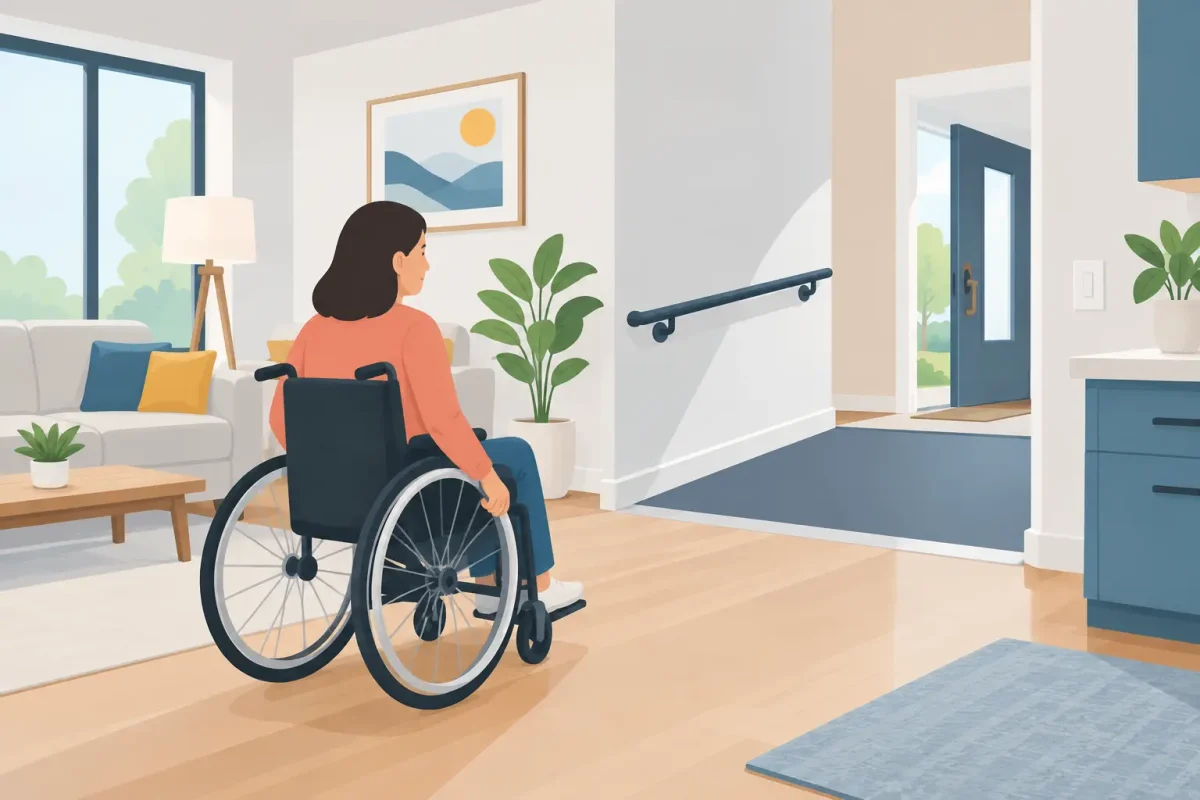
A home can look familiar and still feel difficult to move through safely. A loose rug near the bathroom, a poorly placed kettle, dim lighting on the way to the toilet or a step at the front door can turn everyday routines into stressful ones. Knowing how to make homes safer for disability starts with noticing these small barriers, then making changes that suit the person who lives there.
The best safety changes do more than prevent falls or accidents. They make it easier to prepare a meal, get dressed, welcome visitors, rest comfortably and stay involved in daily life. Most importantly, they should support independence without taking away choice, privacy or dignity.
Start with the person, not the property
There is no single checklist that works for every person with disability. A change that is helpful for someone with reduced mobility may not assist a person with low vision, sensory sensitivities, cognitive disability, chronic pain or changing health needs.
Begin by talking about what feels difficult, tiring or unsafe during a normal day. Consider the times when support is most needed: getting out of bed, showering, using the kitchen, taking medication, leaving the house or responding to a knock at the door. Families and support workers can offer useful observations, but the person’s own experience should guide every decision.
It can help to walk through the home at the time routines usually happen. Morning light, evening fatigue and the need to move quickly to the bathroom can all change how safe a space feels. Focus first on the areas used most often, rather than trying to change everything at once.
Make entrances and pathways easier to use
A safe home begins before someone reaches the front door. Paths should be clear, level where possible and well lit. Trim back plants that narrow a walkway, repair uneven paving and make sure outdoor lights are easy to switch on or work automatically when needed.
At the entrance, a secure handrail, wider clear space around the doorway or a threshold ramp may make a significant difference. For wheelchair or walking-frame users, check that doorways, hallways and turning spaces allow comfortable movement. Avoid storing shoes, bags, mobility equipment or boxes in high-traffic areas.
Inside, remove trip hazards such as loose mats, trailing cords and unstable furniture. Rugs are not always a problem, but they need non-slip backing and flat edges. If a rug repeatedly moves or catches a mobility aid, it may be safer to remove it.
Lighting deserves close attention. Add brighter, glare-free lighting to hallways, stairs, bathrooms and entry points. Motion-sensor lights can be useful at night, while light switches placed at a practical height can reduce stretching or searching in the dark.
Improve bathroom safety without losing comfort
Bathrooms are one of the highest-risk areas in the home because surfaces are slippery and many tasks involve bending, turning and transferring. Small adaptations can make a routine feel far more manageable.
Non-slip flooring or mats, securely installed grab rails and a shower chair can support safer bathing. A handheld shower head may allow someone to wash while seated, and a raised toilet seat can make sitting and standing easier for some people. The right option depends on a person’s balance, strength, height and transfer needs.
Grab rails should be professionally positioned and fixed into suitable wall supports. Towel rails and shower screens are not designed to hold body weight, even if they appear sturdy. If space allows, a step-free shower is often easier to use than a shower-over-bath setup, particularly for people using mobility aids.
Keep frequently used toiletries within easy reach and use easy-to-open dispensers where helpful. Good ventilation, a dry floor and a clear path to the door also matter. Safety should not mean a bathroom feels clinical. Familiar colours, preferred products and an organised layout can help the space remain comfortable and personal.
Create a safer, more workable kitchen
The kitchen is central to independence, but it can involve heat, sharp tools, heavy items and lots of reaching. Organising the room around daily habits is often more useful than making major renovations.
Store regular items between shoulder and knee height so they are easier to access. Keep benches clear enough for meal preparation, and place a stable chair nearby if sitting for tasks helps manage fatigue. Lever-style taps, easy-grip utensils and appliances with simple controls may assist people with limited hand strength or dexterity.
For someone with memory changes or cognitive disability, visual labels, clear storage zones and a routine for checking appliances can be reassuring. Automatic shut-off devices, induction cooktops and kettle tippers may be worth considering, but they need to suit the person’s confidence and cooking goals. A solution that feels confusing or restrictive is less likely to be used.
Support can also be practical rather than structural. A support worker may assist with meal planning, grocery shopping, safe food preparation or building confidence with kitchen skills, while keeping the person involved in choices about their meals.
Support safer bedrooms and everyday routines
A bedroom should make rest, dressing and moving in the morning or overnight feel easier. Check that there is a clear route from the bed to the bathroom, with enough light available before getting up. A bedside lamp, touch light or sensor light can reduce the need to walk through a dark room.
The height and position of the bed can affect transfers. Some people may benefit from bed rails, but these are not suitable for everyone and need careful assessment, especially where there is a risk of entrapment or confusion. A stable bedside table, reachable phone or personal alarm, and frequently used items close at hand can provide reassurance.
Wardrobes and drawers should be organised around what is worn most often. This reduces unnecessary bending, reaching and fatigue. If personal care is difficult, respectful assistance with dressing, showering and grooming can help preserve both safety and privacy.
Plan for medication, communication and emergencies
A safer home also helps people stay prepared when something unexpected happens. Keep medications in their original packaging or an appropriately organised dose aid, and store them where they are accessible but protected from heat, moisture and accidental misuse. Medication prompts or support may be helpful when timing, dosage or memory is a concern.
Make sure a mobile phone, charging point or personal alert device is reachable from key areas of the home. Emergency contacts should be easy to find, and regular visitors or support workers should know the preferred way to communicate. For a person with hearing, vision, speech or cognitive disability, this may include visual alerts, written information, communication aids or a simple plan displayed in a familiar place.
Consider how the person would leave the home during a fire, blackout or medical emergency. Keep exits clear, make sure smoke alarms are working and discuss who to contact if regular supports cannot attend. Emergency plans need to be realistic and calm, not frightening. Review them after a change in health, mobility, living arrangements or support needs.
Know when professional advice is worthwhile
Some changes are simple household adjustments. Others, such as ramps, bathroom modifications, ceiling hoists or major access works, require specialist advice. An occupational therapist can assess how a person uses their home and recommend modifications or assistive technology that match their goals and functional needs.
For NDIS participants, home modifications and assistive technology may be considered where they are reasonable and necessary, subject to individual circumstances and plan funding. It is wise to seek advice before buying equipment or beginning building work. The cheapest option is not always the safest, and unsuitable equipment can create new risks.
Regular support can also make safety improvements work in real life. At Acme Living Care Australia, tailored in-home support can include household tasks, personal care, medication assistance and daily living skill-building, shaped around the individual’s routines and preferences. Consistent support means changes at home can be introduced gradually, respectfully and with confidence.
Review the home as needs change
Home safety is not a one-time project. Mobility, energy levels, vision, confidence and support needs can change over time. A setup that worked well last year may no longer feel safe after an injury, hospital stay, new diagnosis or a change in medication.
Set aside time to review the home after significant changes, and listen when a person says a task has become harder. Often, early adjustments can prevent a small challenge from becoming a major loss of confidence. A safer home should never feel like a limitation. With the right practical supports, it can remain a place where everyday life feels familiar, capable and truly like home.