

Choosing Mobility Equipment for Safer Daily Living
November 6, 2026
Family Caregiver Respite Options That Fit Real Life
November 10, 2026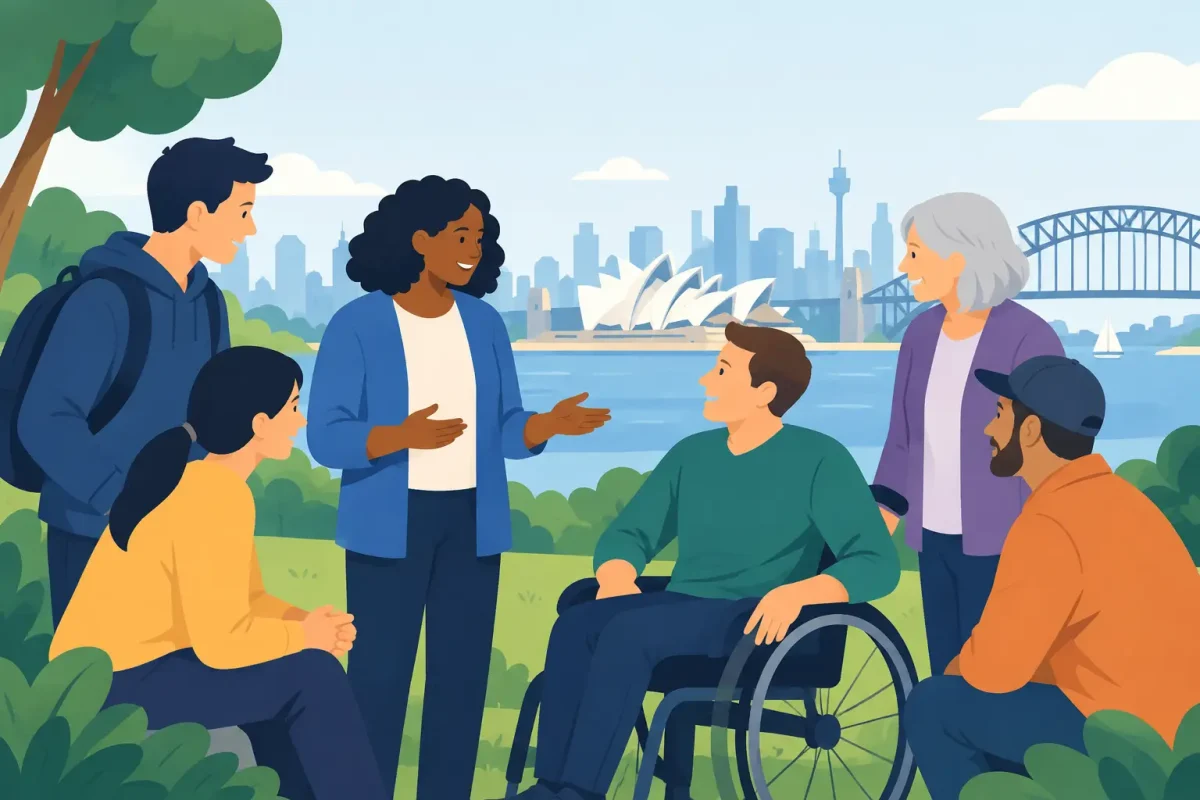
A good community participation support guide starts with a simple question: what would make each week feel more like your own? For one person, that may mean getting to a local art class without relying on family. For another, it could be building confidence at the shops, seeing friends, attending appointments or trying a new activity for the first time.
Community participation is not about filling a calendar. It is about having the right support to take part in ordinary life in a way that feels safe, enjoyable and meaningful. With person-centred support, the small steps can lead to greater confidence, stronger connections and more choice over day-to-day life.
What community participation support can look like
Community participation support helps people with disability access activities, places and relationships beyond the home. It can be funded through an NDIS plan where the support is reasonable and necessary and connected to a participant’s goals. The exact support available depends on individual circumstances and plan funding.
The right support should be practical, flexible and built around the participant, rather than asking the participant to fit a fixed routine. It may involve transport, personal support, help with communication, encouragement to try new things, or assistance to practise a skill in a real-world setting.
A support worker might assist someone to travel to Newcastle for a social group, accompany them to the library, help them plan and shop for groceries, or provide calm support while they attend a local event. For some people, the goal is to be active in the community. For others, it is to feel comfortable leaving home for a short, familiar outing. Both are worthwhile goals.
Start with goals that matter in everyday life
The most useful plans are based on what a person genuinely wants, not what others think they should do. A goal does not need to sound formal to be meaningful. Wanting to catch public transport independently, join a gardening group, visit family more often or feel less anxious at the shops are all valid starting points.
Think about the activities that bring enjoyment, purpose or connection. Also consider the practical barriers that have made those activities difficult in the past. These may include mobility needs, communication challenges, sensory overload, a lack of transport, low confidence, health needs or not having someone reliable to go with.
It can help to talk through three areas: what the person enjoys, what they would like to learn, and what would make community access feel safer or easier. A clear picture gives the support team something real to work towards.
Keep goals achievable, then build from there
Big goals often begin with a small and repeatable step. If someone wants to attend a weekly community class, the first visit may simply be a short trip to see the venue, meet the organiser and understand the environment. The next step might be staying for part of the session with a trusted support worker nearby.
This gradual approach is especially helpful when anxiety, changing routines or unfamiliar environments are challenging. It respects the person’s pace while still creating opportunities to grow. Progress may look different from week to week, and that is okay.
Choose support that feels safe and familiar
Consistency matters. When a participant is supported by workers who understand their preferences, communication style and routines, time in the community can feel less stressful and more enjoyable. Trust is not an extra. It is often the foundation that makes participation possible.
Before support begins, share the details that make a difference. This may include preferred activities, mobility equipment, dietary needs, medication timing, signs of discomfort, sensory preferences, communication tools and what to do if plans need to change. A good provider listens carefully and treats this information with respect.
Matching matters too. Some participants prefer a quiet, steady support worker; others enjoy someone who brings energy and encouragement. Personalities do not need to be identical, but the relationship should feel comfortable, respectful and reliable.
Plan the practical details before an outing
A successful outing usually starts before anyone leaves the house. Planning does not mean removing spontaneity. It means reducing avoidable stress so there is more room to enjoy the experience.
Consider transport arrangements, access needs, costs, opening hours, weather, rest breaks and how long the person would like to stay. If an outing includes personal care, meals or medication assistance, make sure these needs are planned for discreetly and safely.
It is also wise to have a backup plan. A crowded venue, cancelled activity or difficult day does not mean the support has failed. Perhaps the plan changes to a quieter café, a drive to the beach, a visit to the local park or a return home to try again another day. Flexible support protects dignity and keeps the participant in control.
Build skills while doing real things
Community participation is often most valuable when it supports independence in everyday situations. Rather than doing everything for someone, a skilled support worker provides the right amount of assistance and steps back where possible.
For example, a participant may practise making a shopping list at home, finding items in the supermarket, comparing prices, paying at the counter and packing groceries. Another person may learn how to check a bus timetable, use their mobile for directions or order a meal at a café. These are practical skills, but they also build confidence.
The level of support should change as the person’s confidence changes. Some participants want ongoing one-to-one assistance, while others may gradually take more of the lead. There is no single measure of independence. Being able to make choices, communicate preferences and take part in a favourite activity can be a significant outcome.
Include social connection without pressure
Social participation looks different for everyone. Some people enjoy busy groups, sport or regular classes. Others prefer one trusted friendship, a small hobby group or a quiet activity shared with a support worker. The aim is not to make someone more social than they want to be. It is to make connection available on their terms.
Regular activities can be helpful because familiar places and faces build confidence over time. A weekly coffee outing, a community garden visit or a craft group can become part of a comfortable routine. At the same time, it is worth checking in regularly. Interests change, and support should change with them.
Families and carers can also benefit when dependable support is in place. Knowing that a loved one is supported respectfully in the community can create breathing room while keeping the participant’s goals at the centre.
Work with your provider and support team
Open communication helps community support stay useful. Let your provider know what is working, what feels uncomfortable and what goals are changing. Feedback can be simple: a later start time may work better, a venue may be too noisy, or a participant may be ready to try a new activity.
Support coordinators, family members, allied health professionals and support workers may all have useful perspectives, but the participant’s voice should guide decisions wherever possible. If a person communicates in non-verbal ways, those who know them well can help identify their preferences and signs of enjoyment or distress.
For participants in Newcastle, Kurri Kurri and surrounding NSW communities, Acme Living Care can provide tailored support that fits daily routines, personal goals and the level of assistance needed. The focus is on care that feels respectful and natural, whether the day involves a familiar errand or a new experience.
A community participation support guide for lasting confidence
The best community participation support is not measured by how busy someone is. It is measured by whether they feel heard, included and more able to live life in a way that matters to them. A calm trip to the shops can be just as valuable as a major outing when it builds choice, familiarity and self-belief.
Start with one meaningful activity, allow time for trust to grow, and keep adjusting the support around the person. With reliable assistance and room to move at their own pace, community life can feel less like a challenge and more like a natural part of home.