
NDIS Provider Versus Aged Care: Which Fits?
July 29, 2026
Your Daily Living Support Guide for Home
August 2, 2026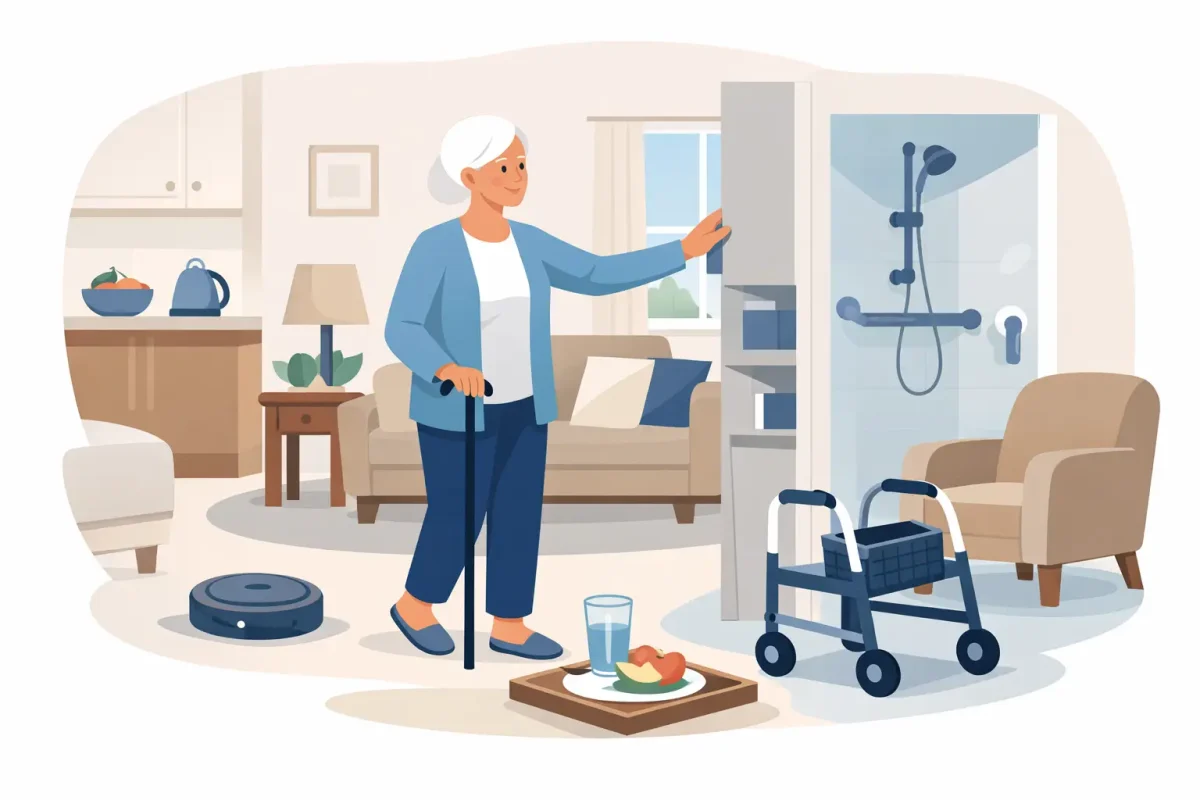
A morning routine can set the tone for an entire day. When getting dressed, preparing breakfast, taking medication or arranging transport feels rushed or difficult, it can affect confidence as much as it affects the timetable. Learning how to improve daily independence is not about doing every task alone. It is about having the right support, tools and routines to make everyday life feel more manageable, safe and genuinely your own.
For older people and people living with disability, independence looks different from one person to the next. One person may want to prepare a simple lunch without assistance. Another may want to catch up with friends, manage a weekly shop, or feel more confident using a mobility aid around the home. Meaningful progress begins with the goals that matter to the person, not a one-size-fits-all idea of what independence should be.
Start with the moments that matter most
Daily living is made up of many small decisions. Rather than trying to change everything at once, identify where support would make the biggest difference. It could be personal care in the morning, keeping the kitchen organised, remembering appointments, managing household tasks or getting out into the community.
A helpful starting point is to notice what is going well and what feels frustrating, tiring or unsafe. Families and carers can contribute useful observations, but the person receiving support should remain at the centre of the conversation. Their preferences, pace and choices should guide the plan.
For example, someone who can make tea safely but struggles to stand long enough to cook dinner may benefit from support that focuses on meal preparation and kitchen set-up. This preserves the parts of the routine they enjoy while reducing pressure at the end of the day.
Build routines that support daily independence
Routines are not about making life rigid. A good routine creates enough structure to reduce stress while leaving room for spontaneous plans, rest and choice. When steps happen in a familiar order, tasks can feel easier to begin and less overwhelming to finish.
Start by breaking a larger task into manageable steps. A morning routine might include getting up, washing, dressing, breakfast, medication and checking the day’s plans. A visual checklist, diary, mobile reminder or simple calendar on the fridge can provide a useful prompt without taking control away from the person.
Consistency also helps when different support workers are involved. Clear notes about preferred routines, communication needs, mobility requirements and favourite ways of doing things help support feel familiar. For many people, having workers who take the time to build trust can make it easier to practise skills and try new tasks with confidence.
It is worth reviewing routines as needs change. What works well during summer may not suit colder mornings, changes in health, a new living arrangement or a different work or social schedule. Flexibility is part of dependable care.
Make the home easier and safer to use
A home should support independence, not create unnecessary barriers. Small changes can have a significant effect on how safely and confidently someone moves through their day.
In the kitchen, frequently used items can be stored within easy reach, benches kept clear, and heavier appliances placed where they do not need to be lifted often. In the bathroom, non-slip surfaces, stable seating or grab rails may make personal care safer. Good lighting, clear walkways and removing loose rugs can reduce trip hazards throughout the home.
The right solution depends on the person’s mobility, vision, strength, sensory needs and living environment. Some changes are simple household adjustments, while others may need advice from an occupational therapist or another qualified health professional. The aim is not to turn a home into a clinical space. It is to make it feel more comfortable, practical and secure.
Assistive technology can also help. This might include easy-grip utensils, shower chairs, voice-activated reminders, modified clothing fasteners or a personal alarm. A tool is useful only when it suits the individual and is comfortable to use, so taking time to practise with it matters.
Practise skills with the right amount of support
Doing too much for someone can unintentionally reduce opportunities to build confidence. On the other hand, expecting a person to manage a task without enough support can create anxiety or safety risks. The most helpful approach sits in the middle: offer assistance where it is needed, and encourage participation where it is possible.
A support worker might prepare ingredients while the participant chooses the meal and helps cook. They may provide steadying support during a shower while the person completes the parts of personal care they can manage safely. When travelling to an appointment, they may assist with planning the route and building confidence with public transport rather than simply taking over every step.
This approach is often called capacity building, but in everyday terms it means practising life skills in a respectful way. Progress may be gradual. A task that takes ten minutes with support today may become easier over time, or it may always require some assistance. Both outcomes can still support a person’s dignity and quality of life.
Stay connected to the community
Independence is not limited to what happens at home. Being able to visit family, attend appointments, enjoy hobbies, volunteer, study, work or meet friends can strengthen wellbeing and create a sense of belonging.
Transport is a common barrier, particularly when a person does not drive, finds public transport difficult or needs help getting in and out of a vehicle. Support can make community access more realistic by assisting with trip planning, transport, shopping, attending social groups or participating in local activities.
The goal should remain personal. Some people value a quiet visit to the library or a regular coffee with a friend. Others may want to join a sporting group, attend a class or explore more of Newcastle and the surrounding area. Community participation works best when it reflects genuine interests rather than filling time.
Social connection also provides practical benefits. Familiar faces in the community, trusted neighbours and regular activities can make a person feel safer and more confident outside the home.
Include health and wellbeing in the plan
Daily independence is easier to maintain when health needs are supported consistently. This may involve help to attend medical appointments, prepare nourishing meals, follow an exercise plan developed by a professional, or manage medication according to the person’s prescribed routine and care arrangements.
Medication support should always be delivered safely and in line with the individual’s needs and authorised care plan. If medication is being missed, confused or causing concerns, speak with a GP, pharmacist or appropriate health professional rather than trying to solve the issue alone.
Rest, hydration, sleep and emotional wellbeing also deserve attention. Fatigue, pain, low mood or anxiety can make everyday activities much harder, even for someone who is usually capable and confident. A routine that allows time to rest and asks for help early can prevent small challenges from becoming bigger setbacks.
Choose support that respects choice
The best daily living support should feel like a partnership. It should be reliable enough to bring reassurance, while flexible enough to adapt when plans change. Participants should feel heard, treated with respect and comfortable expressing what they want done differently.
When discussing support options, ask practical questions. Will the care plan reflect personal goals? Can support times be adjusted as needs change? How will workers learn about routines, communication preferences and cultural considerations? Is there continuity of staff where possible? These details shape whether support feels like an intrusion or a natural part of life at home.
For NDIS participants, daily living and community support may be connected to goals in an NDIS plan. A provider can help translate those goals into practical activities, such as building cooking skills, maintaining a home, improving personal care routines or accessing the local community. Funding and supports differ between plans, so it is sensible to check what is available with a support coordinator, plan manager or provider.
Acme Living Care Australia provides personalised in-home and community support designed around the everyday goals that matter to each person. Whether support is needed occasionally or more regularly, the focus should remain on building confidence, maintaining safety and helping life feel more like home.
Independence grows through ordinary moments: choosing what to wear, making a meal, keeping a home comfortable, seeing familiar people and having a say in the day ahead. With respectful, consistent support, those moments can remain possible and meaningful.